The projects
João Paulo II Educational Center – Salvador, Bahia
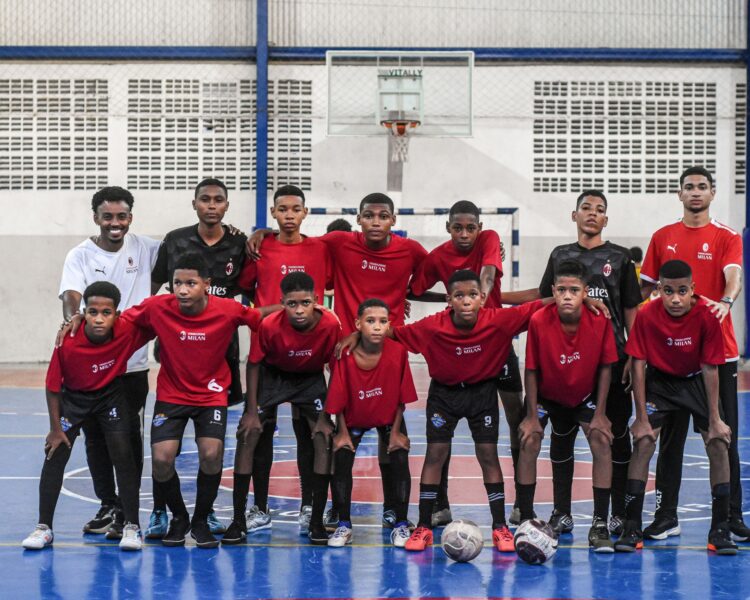
Personal growth and new opportunities through sports
THE PROJECT
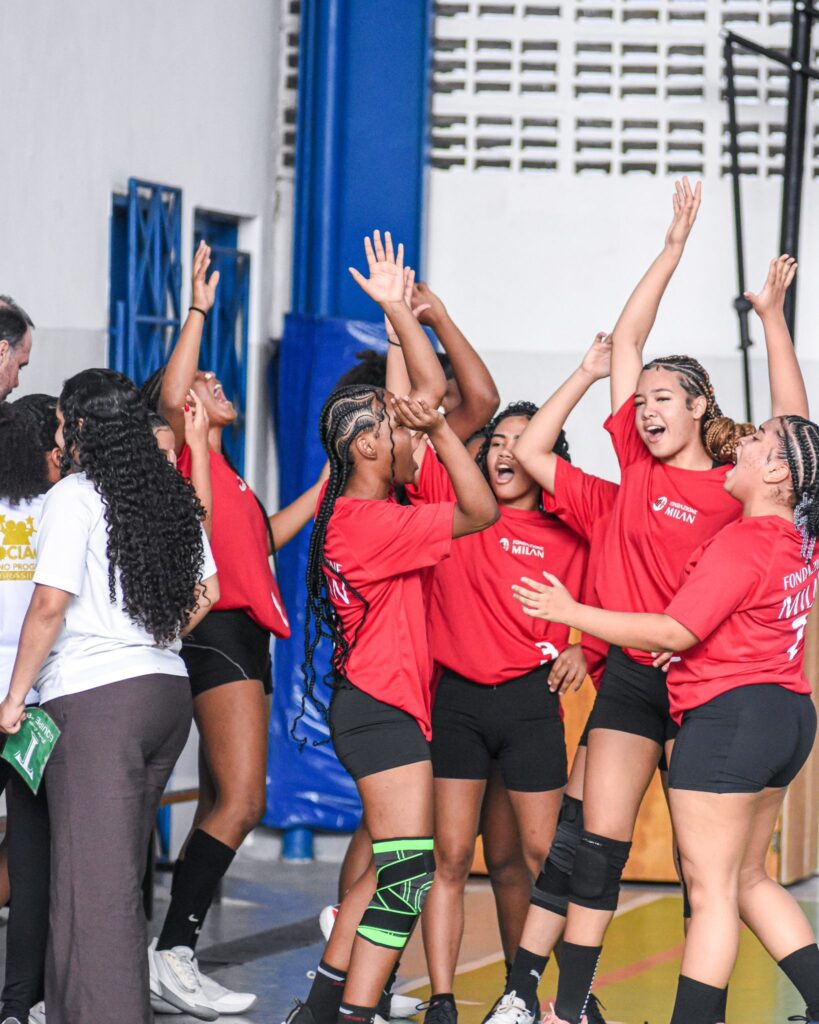
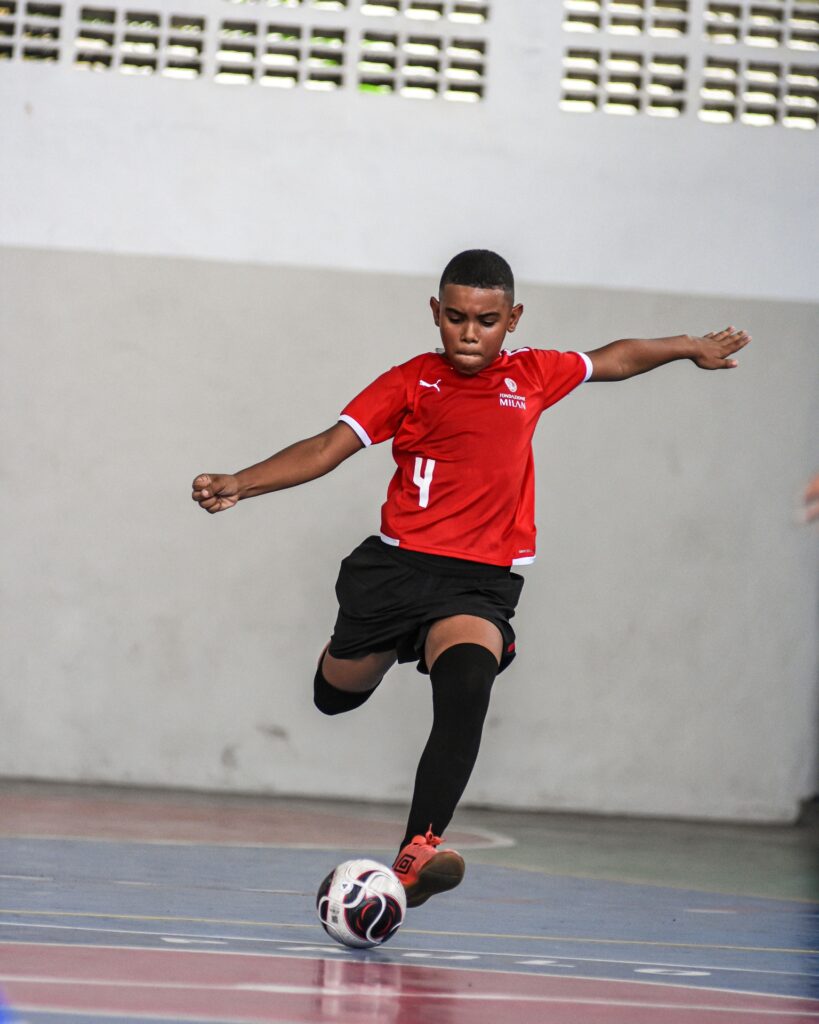
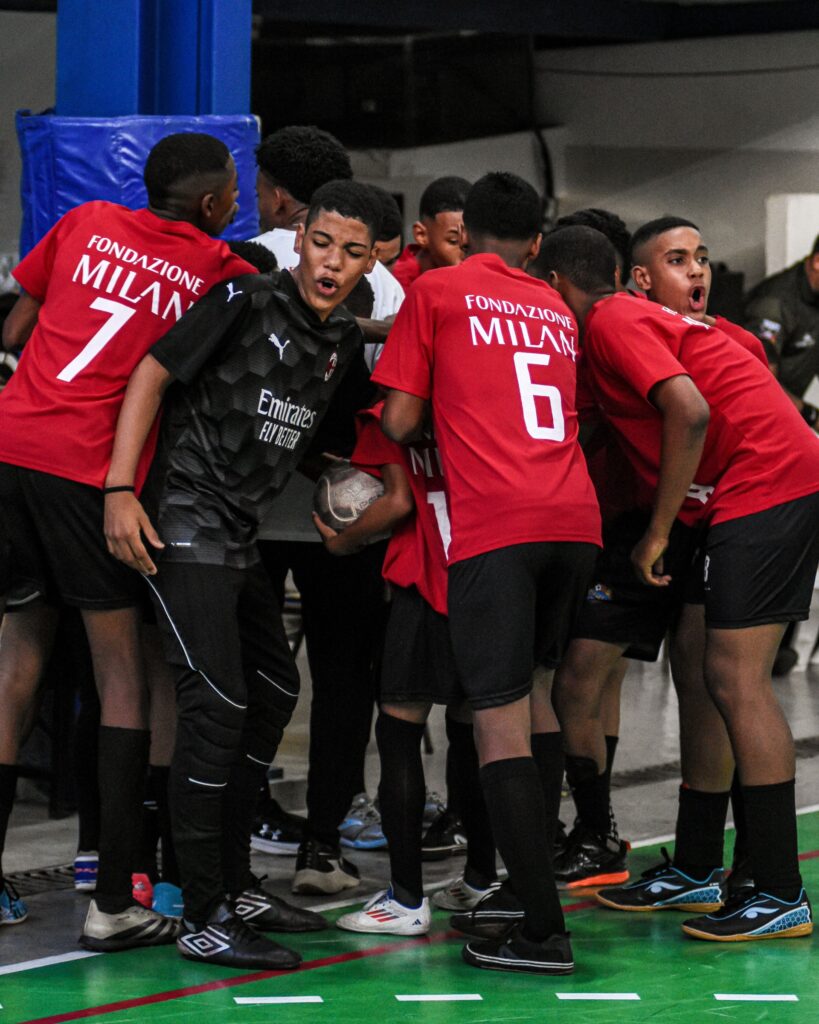
Since 2000, the Centro Educativo João Paulo II, located on the outskirts of Salvador, Brazil, has been supporting children and teenagers living in challenging socioeconomic conditions. The center provides a well-rounded educational experience that combines academic support with cultural, recreational, and, above all, sports activities. Fondazione Milan supports the center’s sports programs and the training of local coaches, promoting the practice of different sports as a means of personal, professional, and social development.
One of the center’s key initiatives is the MIRIM program, designed for children ages 6 to 8, a crucial stage in their motor and social development. In Portuguese, MIRIM means “small” or “young,” highlighting the importance of this age group. Children take part in games and introductory sports activities, exploring two different sports disciplines during each cycle. This approach allows them to broaden their range of motor skills and abilities, helping them make more informed choices about the sports they may wish to pursue in the future.
THE PURPOSE
The center operates in an underserved area of Salvador characterized by significant infrastructure deficiencies, high infant mortality and malnutrition rates, and a shortage of educational and recreational spaces for young children.
Its activities include lessons taught by specialized teachers in subjects such as language arts, mathematics, physics, computer science, and pedagogy, alongside a comprehensive extracurricular sports program. Activities such as futsal, handball, basketball, karate, and dance are organized according to participants’ ages and skill levels, providing children with a formative experience that goes beyond the game itself.
Through sports, young participants develop fundamental values such as teamwork, fair play, discipline, self-control, and determination. At the same time, they strengthen their cognitive and strategic skills by learning to apply the rules, tactics, and techniques specific to each discipline.
BENEFICIARIES
The project supports 50 boys and girls ages 6 to 18, providing them with a safe and stimulating environment in which to grow, develop new skills, and discover their potential through sports.
JOIN THE TEAM!
A small gesture is enough to contribute to the realization of projects in support of the most fragile and marginalized children.
Other projects